ADA Public Accommodation Violation NYC: Your Rights
Reviewed for accuracy by the ADAhelp team before publishing. ADAhelp is not a law firm; legal work is handled by independent New York attorneys.
Denied access in NYC? This guide to an ADA public accommodation violation NYC explains your rights to money damages under city law. Get a free case check.
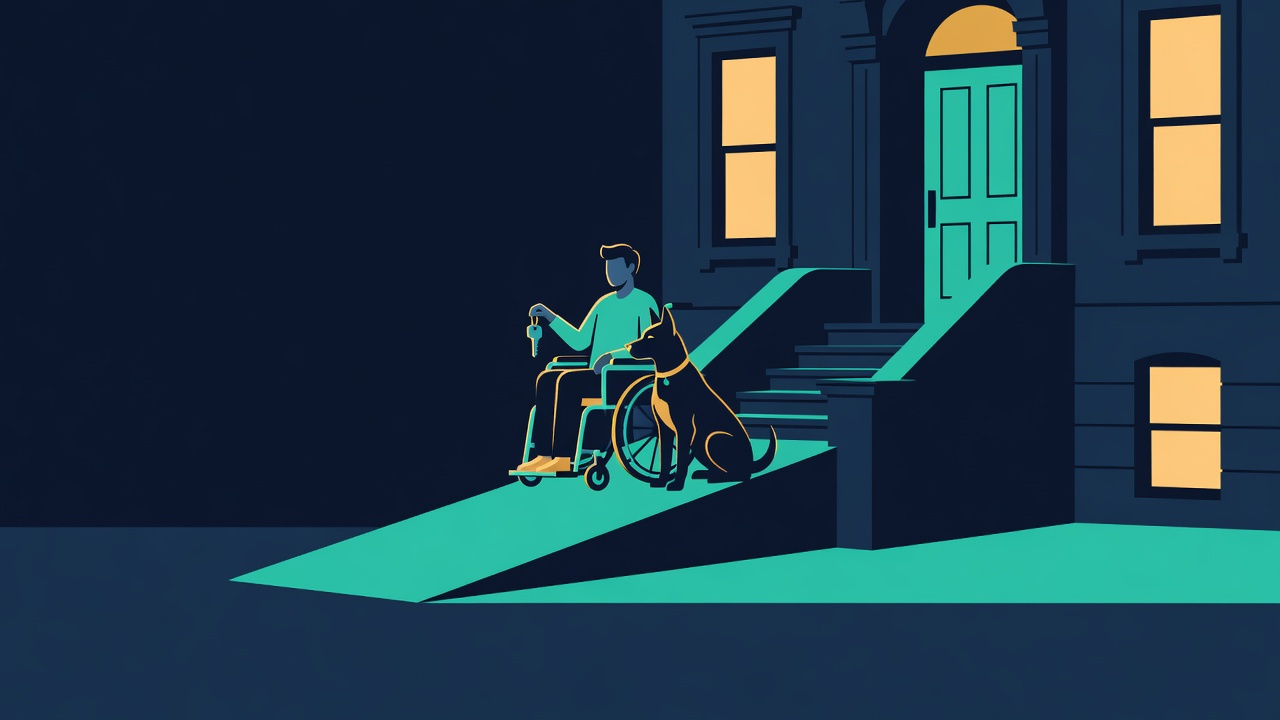
You head out for dinner in Chelsea, but the restaurant entrance has a step you can't get over. Maybe a shop in Queens refused to let you enter with your service dog. Facing an ADA public accommodation violation NYC is more than an inconvenience; it's a violation of your civil rights that leaves you feeling excluded. You probably want to speak up, but the fear of high legal bills or complex filing forms stops you in your tracks. It's frustrating to feel like the city you love isn't built for you, especially when you don't know where to turn for help.
You can hold these businesses accountable and secure the access you deserve without any financial risk. While the federal ADA helps remove physical barriers, powerful New York State and City laws allow you to seek money damages for the discrimination you experienced. This guide shows you exactly how to identify, document, and resolve these issues at zero upfront cost to you. We'll explain how ADAhelp, as a case-management service rather than a law firm, connects you with independent attorneys who work on contingency. You will discover a clear, stress-free path to justice and a more accessible New York.
Key Takeaways
- Learn how to identify an ADA public accommodation violation NYC by spotting common barriers like entrance steps or narrow aisles.
- Understand why New York City and State laws offer broader protections and money damages compared to federal rules.
- Discover how to document a violation quickly with photos and notes to build a strong foundation for your claim.
- Use ADAhelp’s case management service to check your claim for free without paying any out-of-pocket fees.
- Work with independent attorneys on a contingency basis; they only get paid if they win your case.
What Is an ADA Public Accommodation Violation in NYC?
An ADA public accommodation violation NYC occurs when a business creates a barrier that prevents you from full and equal enjoyment of their goods or services. This is not just a minor inconvenience; it is a breach of your civil rights. These rules come from the Americans with Disabilities Act (ADA.gov). Title III of this act is the federal mandate for equal access in private commerce. It covers a huge range of places you visit every day, including restaurants, hotels, theaters, and retail stores. If you cannot get through the door or use the restroom, the business is likely in violation of the law. For the broader picture of storefront and service barriers, see our guide to public access discrimination in New York.
To better understand how these laws protect you in local businesses, watch this helpful video:
Who Must Comply in New York City?
Business size does not matter when it comes to accessibility. Many people think small "mom and pop" shops are exempt, but that is a mistake. Even the smallest bodega, coffee shop, or private clinic in your neighborhood must be accessible. You might also hear that older buildings are "grandfathered in" and don't need to follow the rules. This is a myth. Federal and local laws require older NYC buildings to remove barriers whenever it is "readily achievable," meaning it can be done without much difficulty or expense. This applies to everything from private gyms to Manhattan retail flagships.
The NYC Human Rights Law Advantage
New York City is one of the strongest places in the country to file a claim because of our local laws. While the federal ADA focuses on fixing the problem, it does not pay money damages to the person who faced discrimination. This is where the New York City Human Rights Law (NYCHRL) and the State Human Rights Law (NYSHRL) come in. These local laws are broader and allow you to seek compensatory damages for the frustration and exclusion you felt. These protections cover physical locations and digital access for websites. At ADAhelp, we help you determine if your experience qualifies for a claim under these powerful local statutes. We are not a law firm; we are a case-management service that connects you with independent attorneys who fight for your rights on contingency. You can check your claim for free in three minutes.
Common ADA Violations Found in NYC Businesses
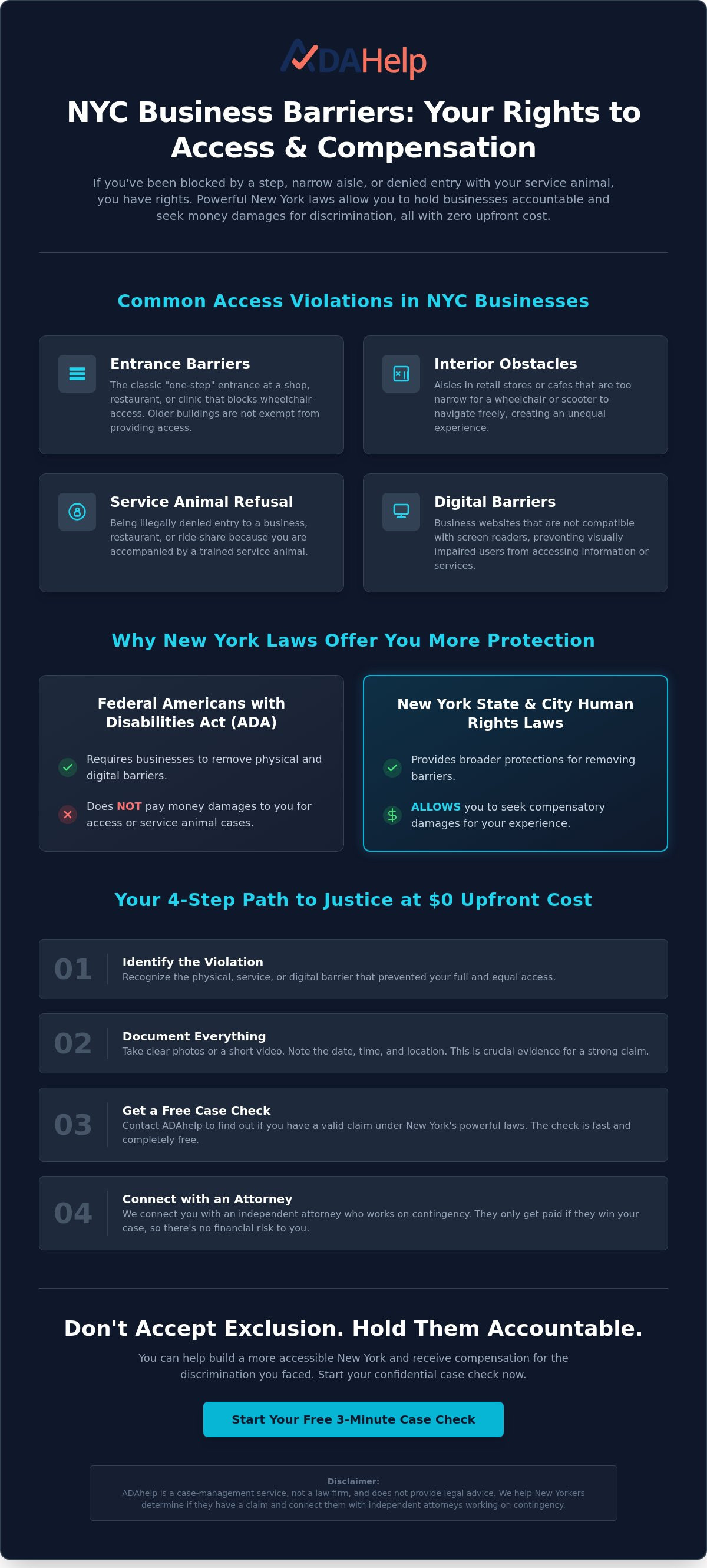
Have you ever tried to enter a shop in the West Village only to find a single, impossible step at the door? This is a classic example of an ADA public accommodation violation NYC. Our city's unique architecture often creates these hurdles, but being an old building is no excuse for exclusion. From cramped Brooklyn storefronts to massive Manhattan department stores, barriers are everywhere. If you encounter an ADA public accommodation violation NYC, you are likely seeing one of these common issues:
- Physical barriers: The "one-step" entrance is a major problem in older NYC neighborhoods. If a wheelchair cannot get through the door, the business is failing you.
- Interior navigation: Manhattan retail spots often maximize every inch of floor space. This leads to aisles so narrow that a wheelchair cannot turn around or move freely.
- Service barriers: Some restaurants or ride-shares still wrongly refuse service animals. Under local laws, this is a clear act of discrimination.
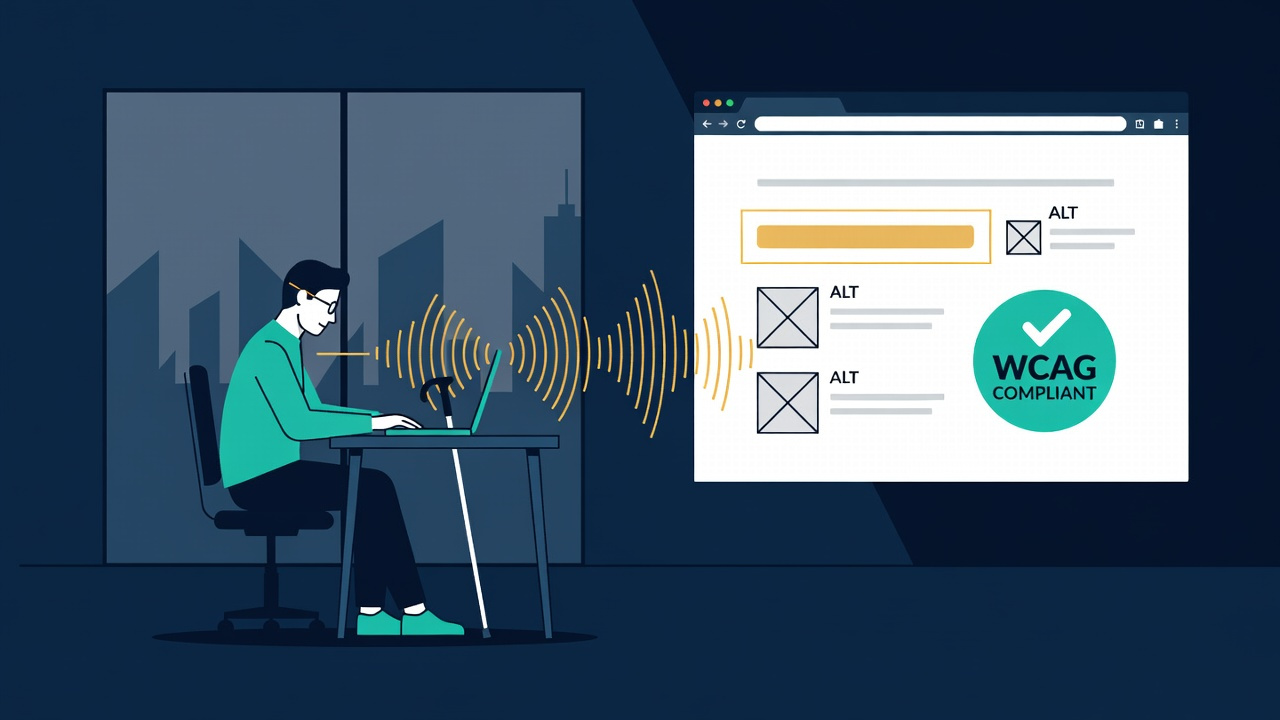
- Digital barriers: A business's website must work for everyone. If a site doesn't work with screen readers for visually impaired New Yorkers, it is a violation.
Architectural Barriers in Historic NYC Buildings
Historic NYC buildings present major challenges for accessibility. You will often see narrow doorways or heavy doors that lack automatic openers. Businesses in neighborhoods like SoHo or the Upper West Side often argue that renovations are too expensive or difficult. However, they must still perform "readily achievable" barrier removal. This means they must make changes that are easy to carry out without much difficulty or expense. This could include installing grab bars in restrooms or providing a portable ramp. Even a small cafe must ensure its restroom is accessible if it provides one for the public. These NYC Disability Protections ensure that the city's history doesn't become a wall for people with disabilities.
Website Accessibility as a Public Accommodation
Your rights don't stop at the sidewalk. In New York, the 2nd Circuit court has recognized that a business website is considered a place of public accommodation. This means if a site lacks alt-text for images or has poor color contrast, it is discriminatory. Visually impaired New Yorkers using screen readers must have the same access to online shopping and reservations as everyone else. Keyboard-only navigation is a legal requirement; not a suggestion. Digital violations are just as valid for a claim as a blocked entrance. If a business website fails you, it is a violation of your civil rights under both city and state law.
Identifying these barriers is the first step toward fixing them. If you've faced these hurdles, you don't have to handle the legal stress alone. You can check if you have a case with our team to start the resolution process today. We help you determine if you have a claim and connect you with independent attorneys who work on contingency.
Your Rights Under NYC vs. Federal ADA Laws
As a New Yorker, you are protected by three distinct layers of law: federal, state, and city. When you face an ADA public accommodation violation NYC, it is vital to know which law offers the best path to justice. While the federal ADA is the most famous, it often provides the least relief for individuals. It focuses on fixing the physical barrier but does not pay money to the person who was discriminated against. To get compensatory damages for your experience, you must look to the New York State Human Rights Law (NYSHRL) and the New York City Human Rights Law (NYCHRL). If your situation is more about ongoing managed help than a one-time fix, our overview of ADA case assistance in New York explains how the process works end to end. ADAhelp is not a law firm; we are a case management service that connects you with independent attorneys who work on contingency.
The NYC Commission on Human Rights serves as the local enforcement body for these protections. They ensure that businesses across all five boroughs follow the strict standards set by the city. Because these laws are local, they are often more responsive to the unique challenges of living and moving through New York City. Having three layers of protection means that even if a federal court denies a claim, you may still find a path to resolution through state or city courts. This multi-level shield is what makes New York one of the strongest places in the country for disability rights.
Why NYC Laws Are More Powerful
NYC local law is designed to be more protective than federal statutes. The threshold for what counts as "discrimination" is lower under the NYCHRL. This law is "liberally construed" in favor of the victim; this means the court must interpret the law in the broadest way possible to protect your rights. While federal cases can drag on for years in expensive litigation, local claims can often be resolved faster through administrative processes. You can learn more about these specific local rules through the official NYC Disability Rights Protections page. These laws are built to ensure that everyday New Yorkers don't have to wait forever for justice.
The Role of the 2nd Circuit Court
New York courts have historically led the way in expanding disability rights. The 2nd Circuit, which covers New York, has seen numerous rulings that favor plaintiffs in accessibility cases. For example, while some federal judges recently ruled that online-only businesses might not be "places of public accommodation" under the ADA, New York state laws continue to offer broader protections for digital access. You don't need to be a "professional litigant" to stand up for yourself. Every time a New Yorker reports an ADA public accommodation violation NYC, it helps make the city more accessible for everyone. Standing up for your rights is a straightforward process when you have the right team to handle the heavy lifting and paperwork for you.
Step-by-Step: How to Report an ADA Violation in NYC
You shouldn't have to accept being shut out of a local spot. When you face an ADA public accommodation violation NYC, your first moves determine the success of your claim. Most people feel overwhelmed by the thought of legal action; but it doesn't have to be hard. Start by gathering the facts immediately. This makes the process much smoother for everyone involved later on. Taking these steps ensures you have the proof needed to hold a business accountable for an ADA public accommodation violation NYC.
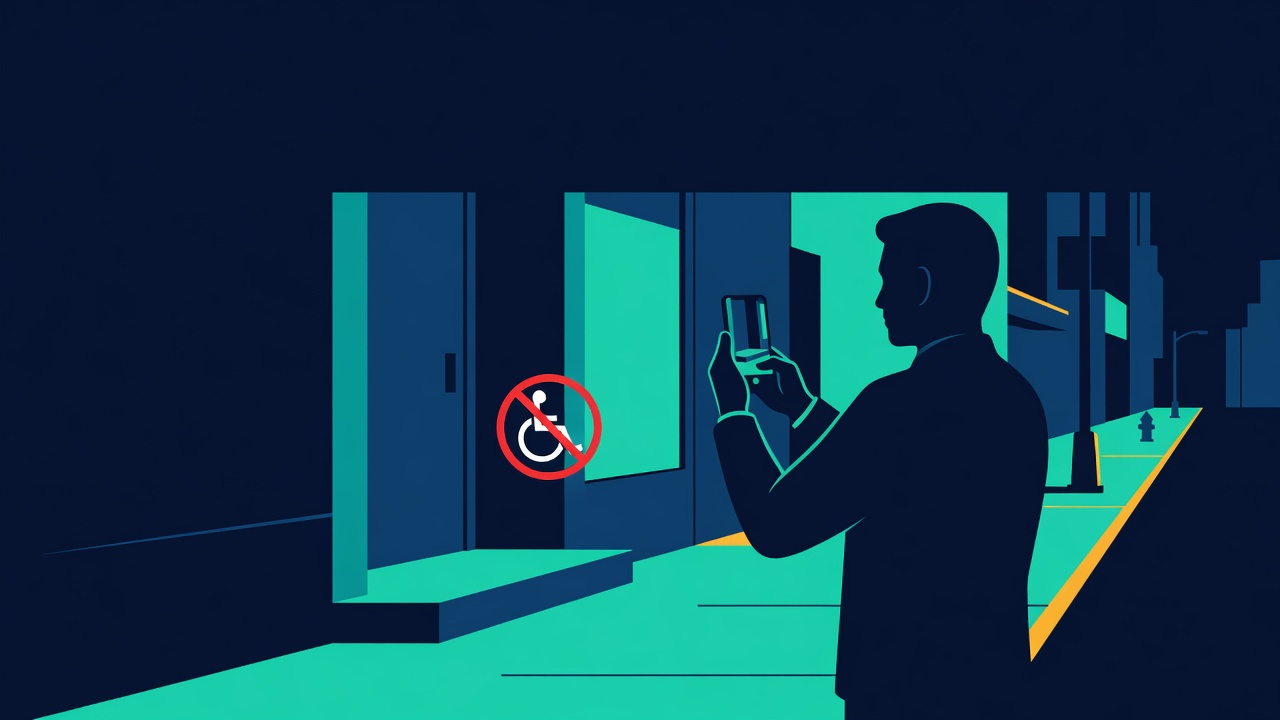
- Document the barrier: Take clear photos of the step, narrow aisle, or inaccessible restroom.
- Note the details: Record the date, time, and any interactions with staff.
- Verify the business: Get the exact name and address of the establishment.
- Consult an expert: Use a free case check to see if your incident qualifies for a claim.
Gathering Evidence the Right Way
Taking a photo is good, but taking a photo with scale is better. Use a common object like a ruler, a dollar bill, or even your hand to show how steep a step is or how narrow a doorway feels. You should also write a contemporaneous note. This is just a record made right after the incident while the details are fresh in your mind. Record who you spoke to and what they said. Never feel guilty for documenting a violation. You are helping to make the city better for everyone.
Where to File: Agencies & Deadlines
Once your evidence is organized, you choose where to file an ADA public accommodation violation NYC complaint. Each path has its own agency and deadline:
- NYC Commission on Human Rights (CCHR): for incidents in the five boroughs. File the CCHR complaint generally within one year of the discriminatory act.
- NY State Division of Human Rights (DHR): for incidents anywhere in the state. The DHR administrative complaint deadline is generally one year (and up to three years to bring certain claims directly in court).
- U.S. Department of Justice (DOJ): for a purely federal Title III barrier — but this route rarely results in money for you as an individual.
- EEOC: for disability-based employment discrimination, typically within 300 days.
There is no fee to file with these agencies, and you do not need a lawyer to start. Because one missed deadline or incomplete form can end a valid claim, many New Yorkers prefer to have a case manager handle the filing and follow-ups.
The Filing Process Simplified
You have a few choices for your claim. You could file with the Department of Justice (DOJ) at the federal level, but this rarely leads to money for you. Filing with a local agency like the NYC Commission on Human Rights is another path. However, government forms are often long and full of confusing jargon. Many people give up because the paperwork is exhausting. A typical claim in the New York system can take several months to move forward. This is why many New Yorkers prefer professional case management to handle the heavy lifting.
You don't have to be a legal expert to get justice. We help you determine if you have a claim and connect you with independent attorneys who work on contingency. Start your free three-minute case check today to find out where you stand. Remember; ADAhelp is not a law firm and does not provide legal advice.
Remedies, Enforcement & Reasonable Accommodations
Knowing what you can actually recover — and what the law requires a business to do — helps you set realistic expectations for an ADA public accommodation violation NYC claim.
What You Can Recover
For public-access violations, the federal ADA's main remedy is injunctive relief: a court order forcing the business to remove the barrier, plus your attorney's fees. New York goes further. Under the NYSHRL and NYCHRL, the Division of Human Rights or the City Commission can order the business to fix the violation and award compensatory damages for your losses and emotional distress, and the NYCHRL even allows punitive damages and civil penalties against repeat offenders. That difference is why most New York claims are filed under state and city law.
Reasonable Modifications a Business Must Make
A place of public accommodation must remove architectural barriers where doing so is "readily achievable," provide auxiliary aids and services for effective communication (such as a qualified ASL interpreter or accessible documents), make reasonable modifications to discriminatory policies, and allow trained service animals. If you need a change to access a business — a portable ramp, help reaching a product, or entry with your service dog — you can simply ask. A refusal can become the heart of your claim.
Retaliation Is Illegal
Retaliation is strictly illegal under federal, state, and city laws. If a business threatens you, bans you, or treats you poorly because you stood up for your rights, that is a separate violation you may also file a claim for. These laws are built to protect your right to speak up without fear of being targeted.
Resolve Your NYC ADA Claim with Zero Upfront Cost
Do you have a case? What is it worth? What should you do next? If you faced a barrier at a local business; you likely have a claim. While the federal ADA does not pay money damages for blocked entrances or refused service animals; the New York City Human Rights Law (NYCHRL) allows you to seek compensation for the discrimination you faced. You can find out exactly where you stand by starting a free check today. Many New Yorkers hesitate to report an ADA public accommodation violation NYC because they fear high legal costs. You don't have to worry about that here. We operate on a contingency model; which means you face zero out-of-pocket costs. We only get paid if your case is successfully resolved.
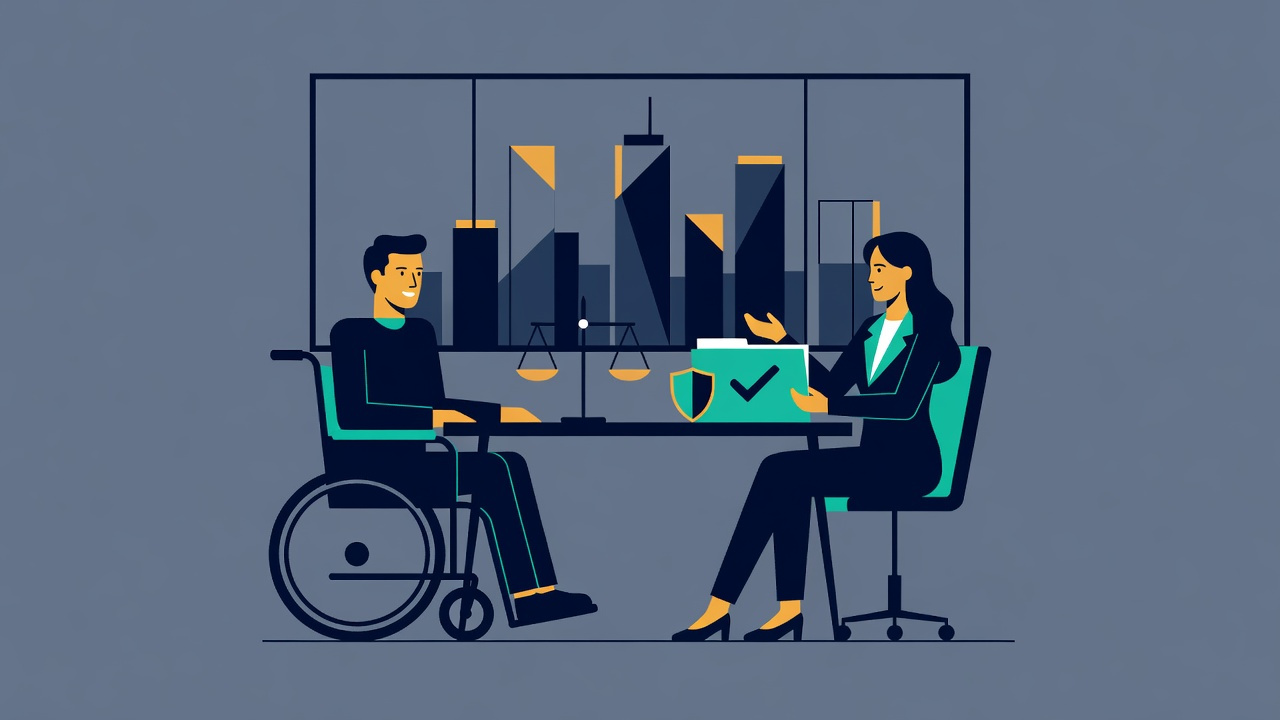
ADAhelp is not a law firm and does not provide legal advice. We are a specialized case-management service dedicated to helping New Yorkers. We handle the complex paperwork and intake steps that often cause people to give up. By connecting you with independent attorneys who work on contingency; we ensure that the burden of financial risk stays off your shoulders. This "No Win, No Fee" approach means that justice is accessible to everyone; regardless of their financial situation. You get professional support to resolve your ADA public accommodation violation NYC without the stress of hourly billing or upfront retainers.
How ADAhelp Manages Your Case
We act as your advocate throughout the entire process. Managing a claim involves a lot of heavy lifting; from verifying business addresses to ensuring every photo meets the right standards. Our team handles these details so you don't have to. We have a deep understanding of the NYC accessibility environment and the specific requirements of local agencies like the NYC Commission on Human Rights. We move quickly to turn your frustration into a clear path toward a resolution. Our goal is to make the system work for you with as little friction as possible.
Start Your Free Case Evaluation Today
The best time to act is while the details of your experience are still fresh. Our 3-minute case check is designed to be fast; simple; and empathetic. It helps us determine if you have a claim under federal; state; or city laws. This low-risk; high-reward model is the most efficient way for everyday New Yorkers to stand up for their rights. Don't let a business continue to exclude people with disabilities just because the legal process seems intimidating. Take our free 3-minute ADA case check now to begin the process of securing justice and a more accessible New York City.
Take the First Step Toward an Accessible New York
Facing an ADA public accommodation violation NYC is a serious matter; but you don't have to carry the legal burden alone. You now know how to spot barriers; document the evidence; and use powerful local laws to seek the justice you deserve. Remember that New York City and State laws provide broader protections and allow for compensatory damages that the federal ADA does not cover. These local statutes are your strongest tools for holding businesses accountable and ensuring equal access for everyone.
Since 2024; ADAhelp has been empowering New Yorkers by providing expert case management that simplifies the path to resolution. Our process is entirely contingency-based; which means there is no fee unless the independent attorneys we connect you with win your case. We handle the heavy lifting of intake and documentation while you focus on moving forward. ADAhelp is not a law firm and does not provide legal advice; but we are a dedicated partner in your fight for fairness. There are no out-of-pocket costs to find out where you stand.
Start your free 3-minute ADA case check today. You have the right to access every part of this city; and we are ready to help you claim it. Let's work together to make New York accessible for all.
Frequently Asked Questions
What qualifies as a "public accommodation" in New York City?
A public accommodation is almost any private business that offers goods or services to the general public. This includes restaurants, hotels, theaters, retail stores, and private clinics. Under New York City law, this definition is very broad. It ensures that any place you visit for commerce or recreation must be accessible to you regardless of your disability.
Do I need a lawyer to file an ADA complaint in NYC?
You don't need a lawyer to file a complaint with a government agency; but the process is often confusing. Many people struggle with the complex paperwork and strict deadlines. ADAhelp makes this easier by checking your claim for free. If you have a case, we connect you with independent attorneys who handle the legal work on contingency.
How much does it cost to report a business for an ADA violation?
There is no cost to report a business through government agencies like the NYC Commission on Human Rights. When you use ADAhelp, our case check is free of charge. The independent attorneys we work with only take a fee if they successfully resolve your case. You will never have to pay any out-of-pocket costs to seek justice.
Do I have to go to court for an ADA public accommodation claim?
Not necessarily. Many accessibility claims are resolved through settlements or administrative processes with the DHR or CCHR without ever stepping into a courtroom. The independent attorneys handle any legal work while we manage the communication and documentation for you.
Can a small business in NYC claim they are too small for the ADA?
No; business size does not excuse a lack of access. While some employment laws only apply to larger companies, public accommodation rules apply to businesses of all sizes. Even a tiny "mom and pop" shop or a neighborhood bodega must follow accessibility guidelines. Every New Yorker deserves equal access to every business in their community.
What is the "readily achievable" standard for NYC businesses?
The "readily achievable" standard means businesses must remove barriers if the fix is easy to carry out without much difficulty or expense. This often applies to older NYC buildings that were not originally built for accessibility. Examples include installing a grab bar in a restroom or providing a portable ramp. If a fix is simple and affordable; the business must do it.
How long do I have to file a disability discrimination claim in New York?
Your deadline depends on where you file. You generally have one year from the date of the incident to file with the NYC Commission on Human Rights. For the NYS Division of Human Rights; you have three years for any discriminatory act that occurred on or after February 15, 2024. It is best to act quickly while your evidence is fresh.
Is a business website considered a public accommodation in NYC?
Yes; New York courts and local laws treat websites as places of public accommodation. If a business website is not compatible with screen readers or lacks keyboard navigation; it may be an ADA public accommodation violation NYC. Digital barriers are just as illegal as physical ones. You have the right to shop and book services online without facing discrimination.
What happens if a business retaliates against me for filing a complaint?
Retaliation is strictly illegal under federal, state, and city laws. If a business threatens you; bans you; or treats you poorly because you stood up for your rights; they are violating the law again. You may be able to file an additional claim for retaliation. These laws are built to protect your right to speak up without fear of being targeted.

Article by
ADA Help
Written by the ADAhelp editorial team and reviewed for accuracy before publishing. ADAhelp helps New Yorkers find out if they have a disability discrimination claim and manages the process end to end, working with independent attorneys who handle the legal work. We are not a law firm and do not provide legal advice.
Disclaimer
This article is general information about New York law, not legal advice, and reading it does not create an attorney-client relationship. ADAhelp is a case-management and intake service, not a law firm; legal representation is provided by independent attorneys. Recovery amounts and timelines vary by case, and past outcomes do not guarantee future results. For advice about your specific situation, speak with a qualified attorney or start the free case check.
Tags
Discriminated against in New York because of a disability?
A free three-minute check tells you if you can pursue a claim.
Check my case →New York onlyNo upfront costIndependent NY attorneysFree 3-minute check